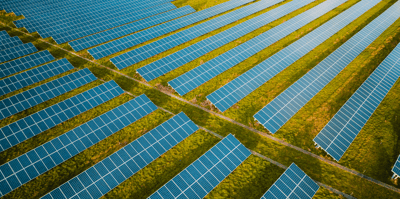
Investing in Climate Solutions: Scaling what is needed for net zero
Achieving net zero requires both reducing emissions and, at the same time, scaling investment in low-carbon technology, infrastructure and activities. IIGCC's resources reflect this system-wide approach: they support members tackling decarbonisation and increasing allocations to climate solutions across portfolios. Our latest climate solutions resources extend guidance to the sovereign asset class and set out how members can define, assess, and engage on corporate climate solutions.
Published on
2026-10-23
by
 investESG
investESG

AI for a human-powered future
Three ways we can use AI in sustainability to drive impact with illustrative case studies from our work.
Published on
2026-10-22
by
investESG
investESG

Europe must not put a regulatory seal on greenwashing
A statement on reforming the SFDR by EDHEC Climate Institute's Frédéric Ducoulombier
Published on
2026-10-21
by
The EDHEC Climate Institute

Leveraging global practice for efficient EU impact reporting by non-EU companies
Recognition of established sustainability disclosure in draft ESRS-40a is vital to reduce reporting burden and support a level playing field
Published on
2026-10-20
by
 GRI
GRI
GRI

Why Long-Term Climate Strategies Are the Economic Planning Tool Governments Need Right Now
Long-term climate strategies are practical economic planning tools that can help governments manage volatility, mobilize investment and make the energy transition work for people and communities.
Published on
2026-10-19
by
 WRI
WRI
WRI

Nachhaltigkeit und faktorbasiertes Investieren: Ein Widerspruch? Ganz im Gegenteil.
Ein Gastbeitrag von Allianz Global Investors
Published on
2026-10-16
by
investESG
investESG