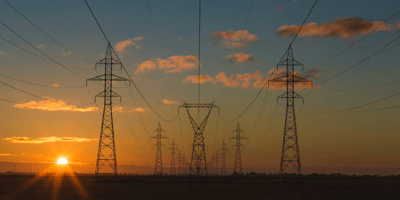
Electrification Can Lower Energy Bills, but Only if We Do it Right
The UN climate summit in Antalya, Turkey (COP31) aims to accelerate the shift to electrification, urging countries to adopt a pledge to supply 35% of global final energy consumption with electricity by 2035. But how quickly the world moves toward electric products hinges on a key question: Will they actually lower rising energy bills?
Published on
2026-11-10
by
 WRI
WRI

Leveraging global practice for efficient EU impact reporting by non-EU companies
Recognition of established sustainability disclosure in draft ESRS-40a is vital to reduce reporting burden and support a level playing field
Published on
2026-10-20
by
 GRI
GRI

Why Long-Term Climate Strategies Are the Economic Planning Tool Governments Need Right Now
Long-term climate strategies are practical economic planning tools that can help governments manage volatility, mobilize investment and make the energy transition work for people and communities.
Published on
2026-10-19
by
WRI
WRI

Eurosif recommendations for the EU budget and DNSH consultation response
Eurosif presents position paper on EU MFF 2028-2034 and DNSH consultation response, issuing recommendations
Published on
2026-09-17
by
 Eurosif

The Vulnerability Was Real; The Exploit Was Impossible; The EU Cyber Resilience Act Reporting Obligation Was … Unclear?
Beginning last Friday (11 September 2026), manufacturers of products with digital elements that are made available on the European Union market must report actively exploited vulnerabilities and severe security incidents concerning those products under the EU Cyber Resilience Act (CRA).
Published on
2026-09-15
by
 Ropes & Gray LLP

As the US Carbon Dioxide Removal Market Retreats, Other Governments Step Up
As the United States pulls back, momentum for carbon dioxide removal is building elsewhere, propelled by government policies and frameworks that extend beyond voluntary markets
Published on
2026-09-14
by
WRI
WRI